
400cc Silicone Implant: Size, Profile and Fit
See how 400 cc silicone implants differ by profile, why cup size cannot be predicted, and what nearby volumes and FDA monitoring guidance mean for you.
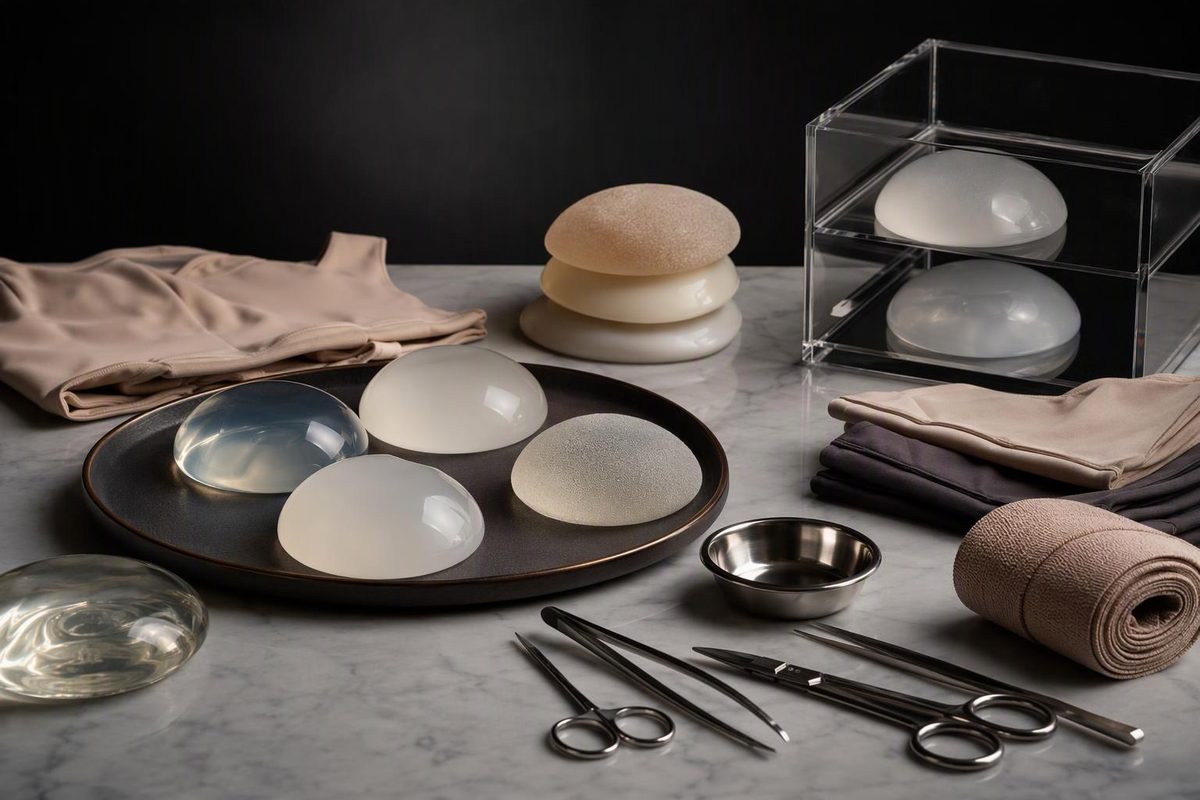
A 400 cc silicone implant contains 400 cubic centimeters of gel—equivalent to 400 milliliters, or 0.4 liter per implant. That describes its volume, not your final breast size. It cannot reliably predict a C, D or DD cup, or whether the result will look subtle or prominent. The more useful comparison is the implant’s width and projection against your anatomy.
Choose a 400 cc profile to compare its width and projection in one implant line.
400 cc Profile Dimensions
High · 400 cc
12.2 cm wide · 5.0 cm projection
Compared with Moderate Plus: 0.9 cm narrower and 1.0 cm more projection.
| 400 cc Profile | Diameter | Projection |
|---|---|---|
| Moderate Plus | 13.1 cm | 4.0 cm |
| High | 12.2 cm | 5.0 cm |
| Ultra High | 10.6 cm | 5.4 cm |
Dimensions do not predict cup size or establish which implant fits you. Individual device dimensions may vary slightly; confirm current model specifications with your surgeon.
Source: Mentor catalog, effective January 2019. Historical, model-specific measurements; current availability is not established.
Frame, skin quality, breast shape and existing breast tissue all affect how an implant looks, according to the American Society of Plastic Surgeons’ sizing guidance. The comparison above shows device dimensions, not a prediction of your appearance or a recommendation for your body.
What “400 cc Silicone” Specifies
Silicone implants contain a fixed volume of gel inside a silicone-rubber shell. Unlike saline implants, they are not filled to a chosen volume during surgery. Gel consistency, shell surface, shape and profile can differ among products, so “400 cc silicone” is not a complete device specification. FDA implant-labeling guidance
If your proposed plan lists 400 cc on each side, that means two 400 cc implants—not 400 cc divided between the breasts. Ask for the manufacturer, product line, model number, surface and dimensions for each side.
The Same Volume Can Have Different Dimensions
Diameter describes a round implant’s base width. Projection describes how far it extends forward from that base. Profile names distinguish different combinations of those dimensions.
For example, Mentor’s catalog effective January 2019 lists these specifications for its standard smooth, round MemoryGel implants:
| 400 cc Profile | Diameter | Projection |
|---|---|---|
| Moderate Plus | 13.1 cm | 4.0 cm |
| High | 12.2 cm | 5.0 cm |
| Ultra High | 10.6 cm | 5.4 cm |
These are illustrative specifications for one manufacturer’s product line, not measurements for every 400 cc implant or a statement of current availability. The catalog also notes that individual implant dimensions may vary slightly. Confirm the current specifications of the device your surgeon proposes. Mentor product catalog
Here, the high-profile option is narrower and projects farther forward than the moderate-plus option despite having the same volume. Neither is automatically the better fit. Our moderate versus high profile guide explains the comparison in more detail.
Cup Size Cannot Be Predicted From 400 cc Alone
There is no dependable “400 cc equals two cup sizes” rule. Bra cup sizes vary across brands, and the implant is only one part of the finished breast. Two people receiving the same implant can have different results because they start with different tissue, skin and chest dimensions.
Use before-and-after photographs to communicate preferences—not to forecast your own result. Bring examples of what feels too small, too prominent and close to your goal. Ask your surgeon which examples are realistic for your anatomy and proposed procedure.
For post-mastectomy reconstruction, an implant replaces missing breast tissue rather than simply adding volume to an intact breast. An augmentation photograph is therefore not a direct comparison for reconstruction. The FDA’s implant-labeling guidance linked above describes these different uses.
Comparing 350, 400 and 450 cc Within One Profile
Each step adds 50 mL per implant, but that does not translate into a dependable cup-size change. Compare actual models within the same implant line and profile first.
The same Mentor catalog effective January 2019 lists these dimensions for standard MemoryGel smooth, round Moderate Plus implants:
| Volume | Diameter | Projection |
|---|---|---|
| 350 cc | 12.5 cm | 3.9 cm |
| 400 cc | 13.1 cm | 4.0 cm |
| 450 cc | 13.6 cm | 4.2 cm |
In this example, moving from 350 to 400 cc increases diameter by 0.6 cm and projection by 0.1 cm. Moving from 400 to 450 cc increases diameter by 0.5 cm and projection by 0.2 cm. The additional volume changes both dimensions, not just forward fullness. These remain historical, model-specific measurements from the Mentor catalog linked above.
Changing profile at the same time makes the comparison less straightforward. See our 350 cc implant guide if that is your other leading option.
At a consultation with a board-certified plastic surgeon, ask how your measured breast base width compares with the proposed implant’s diameter, and how your tissue coverage and skin affect the proposed size. Those answers are more useful than a promised cup size.
Ask to compare nearby sizes and profiles with sizers, including an explanation of what those previews cannot show. The proposed incision, placement, recovery restrictions and follow-up costs should also be part of the discussion. The draft’s sources do not provide a cost figure for a 400 cc procedure or its follow-up care.
Silicone Implants Require Ongoing Care at Any Size
A 400 cc implant is not a lifetime device. Potential problems include rupture, capsular contracture—tightening of the scar capsule around the implant—rippling, displacement and sensation changes. Some complications require further surgery. FDA risks and complications
The shell surface is a separate safety consideration: breast implant-associated anaplastic large cell lymphoma (BIA-ALCL), a cancer of the immune system, occurs more commonly with textured than smooth implants. Review the proposed device’s patient booklet and decision checklist before consenting. FDA labeling guidance
For silicone implants without symptoms, U.S. FDA guidance recommends a first ultrasound or MRI 5–6 years after implantation, then every 2–3 years. This applies to augmentation and reconstruction and does not replace breast-cancer screening appropriate to your circumstances. Budget for that monitoring alongside the initial operation. FDA screening recommendations
If you develop persistent swelling, a new lump, pain or a change in breast shape, contact your surgeon or healthcare provider rather than wait for routine screening. Silicone rupture can also occur without visible changes or symptoms. FDA risks and complications